

HR teams are under pressure from every direction right now.
The expectations keep growing, but behind the scenes, many teams are still dealing with manual admin, repetitive processes and disconnected systems that slow everything down. That’s why more businesses are starting to look at AI and automation tools like Microsoft Copilot to help lighten the load. If you speak to almost anyone in HR today, you will hear the same thing. There’s just not enough time in the day. Between recruitment, onboarding, compliance, reporting, employee support and performance management, the workload never really stops. And a lot of it still depends on manual work.
The issue is not that HR teams are inefficient. In many organisations, they are the people holding everything together. The problem is that the systems and processes supporting HR have not evolved at the same pace as the role itself. HR is now expected to support culture, employee wellbeing, retention, leadership teams and business performance, while still handling large amounts of admin at the same time.
That pressure adds up quickly.
The admin never really stops
Take onboarding as an example.
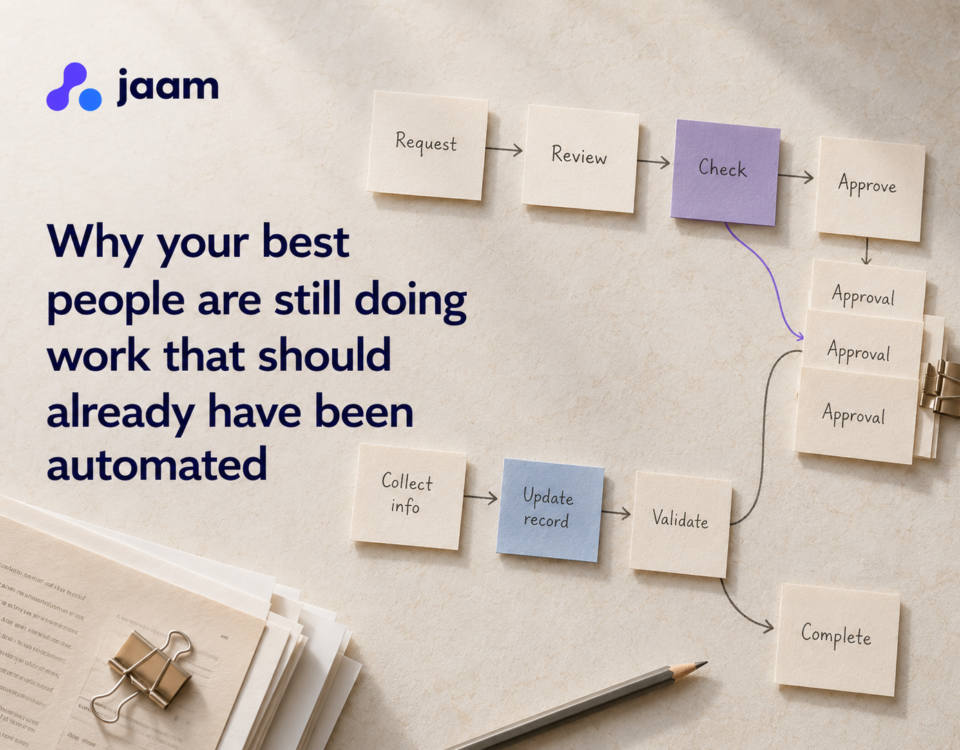
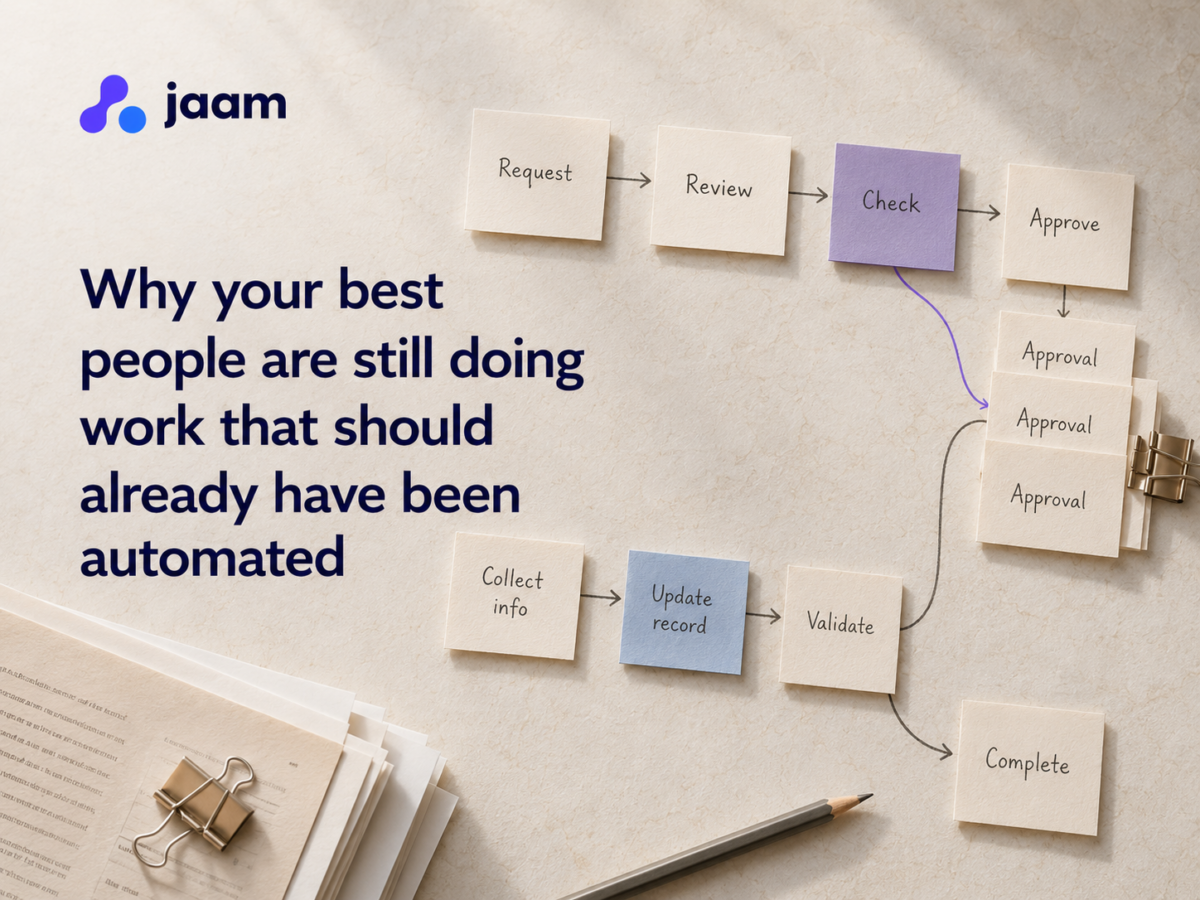
Even a relatively straightforward onboarding process can involve contracts, policies, forms, emails, approvals, system access, reminders and follow-ups. Then multiply that across every new employee, every internal move and every annual process that needs attention. The same thing happens across almost every area of HR. Teams spend hours moving information between systems, following up on missing documents, answering the same questions repeatedly and manually tracking tasks that could be far more streamlined through automation.
None of these tasks are unimportant. They are necessary. But they take time and they pull HR teams away from the work that actually helps employees and supports the wider business. Over time, that constant admin load becomes exhausting.
Where AI and automation are starting to help
This is where automating with AI is starting to make a real difference.
Not by replacing HR teams, but by helping remove some of the repetitive work that slows them down every day. Simple things like drafting onboarding emails, summarising documents, preparing meeting notes, creating job descriptions or pulling together updates can all be done much faster with the right tools in place. Automation can also help streamline workflows, reduce manual follow-ups and make everyday HR processes feel far less fragmented and time-consuming.
The benefit is not only about saving time. It is also about reducing friction across the business. When processes move faster, employees get answers sooner. Managers spend less time waiting for updates and HR teams spend less of their day buried in admin and more time focusing on people.
Where Microsoft Copilot fits in
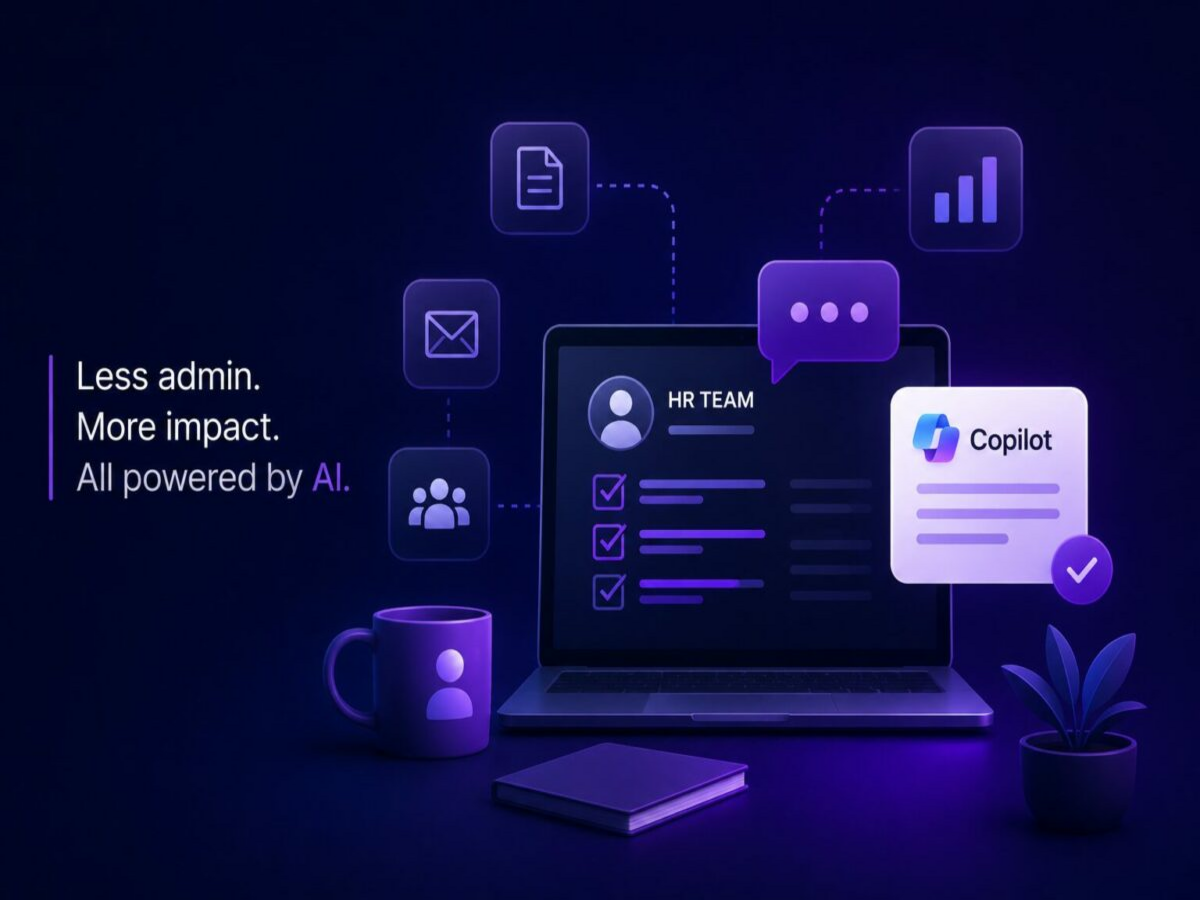
Microsoft Copilot is one example of a tool that can support this shift, especially for businesses already using Microsoft 365. Because it works inside familiar tools like Word, Excel, Outlook and Teams, HR teams do not need to completely change the way they work to start seeing value from it.
In practical terms, Copilot can help draft communications, summarise meetings, organise information, assist with reporting and help managers create clearer performance review feedback. It can also reduce the amount of time spent staring at a blank page trying to create first drafts from scratch.
For busy HR teams juggling multiple priorities, even small improvements like that can make a noticeable difference.
HR teams need space to focus on people again
The reality is that HR workloads are probably not getting lighter anytime soon. Businesses want faster hiring, stronger employee experiences, better reporting, tighter compliance and more support for managers and staff. At the same time, many HR teams are already stretched thin trying to keep up with day-to-day operational demands.
AI and automation are not a magic fix, but they can help remove some of the pressure that comes from repetitive admin-heavy work. By automating routine tasks and simplifying manual processes, businesses can give HR teams more space to focus on the human side of the role again. More meaningful conversations. Better support for employees. Stronger engagement across teams. Less time lost to process and admin.
That is where the real value starts to appear.
Final thought
Most HR teams do not need more systems or more complexity. They need simpler ways to manage the work already sitting on their desks.
AI and automation tools like Microsoft Copilot can help reduce repetitive work, improve efficiency and give HR teams more time to focus on the things that genuinely make an impact across the business.
Help Your HR Team Reduce Manual Work
If your HR team is still relying on manual processes, disconnected systems and repetitive admin, we can help you identify where AI and automation could make the biggest difference.
Learn More →